What Makes an Estuary Special
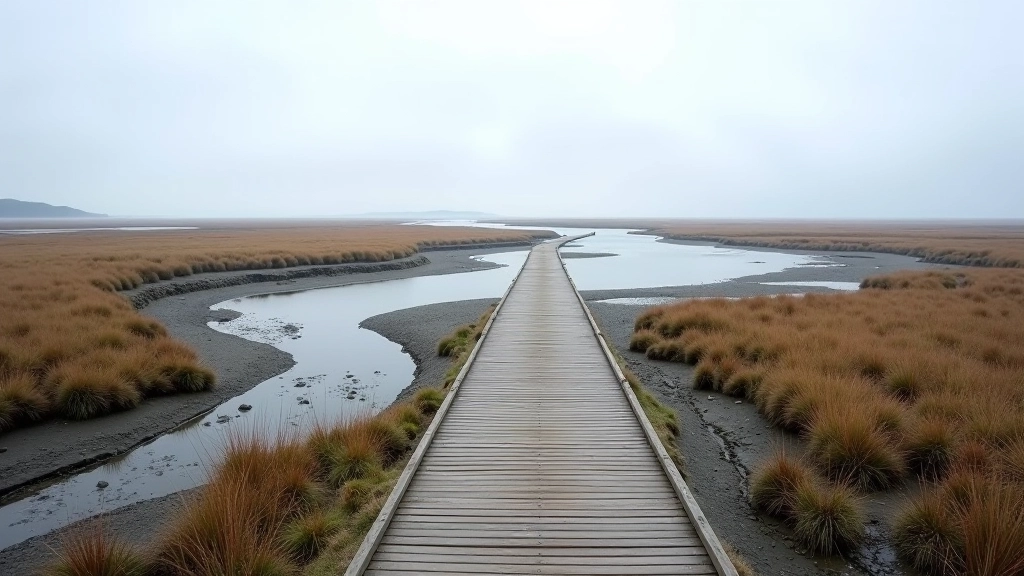
An estuary is where a river meets the sea, and it's honestly one of the most dynamic places you'll find on the Irish coast. It's not quite freshwater, not quite saltwater — it's a unique blend that creates conditions found nowhere else. Bull Island's estuary covers roughly 1,000 hectares of tidal flats, salt marshes, and mudbanks that shift with every tide.
What makes these spaces so special? The constant mixing of fresh and salt water creates nutrient-rich environments that support incredible biodiversity. We're talking about food chains that start with tiny organisms and end with some of Europe's rarest birds. The salinity changes throughout the day as tides move in and out, which sounds harsh but it's actually what makes estuaries so productive biologically.
Salt Marshes: The Nursery of the Bay
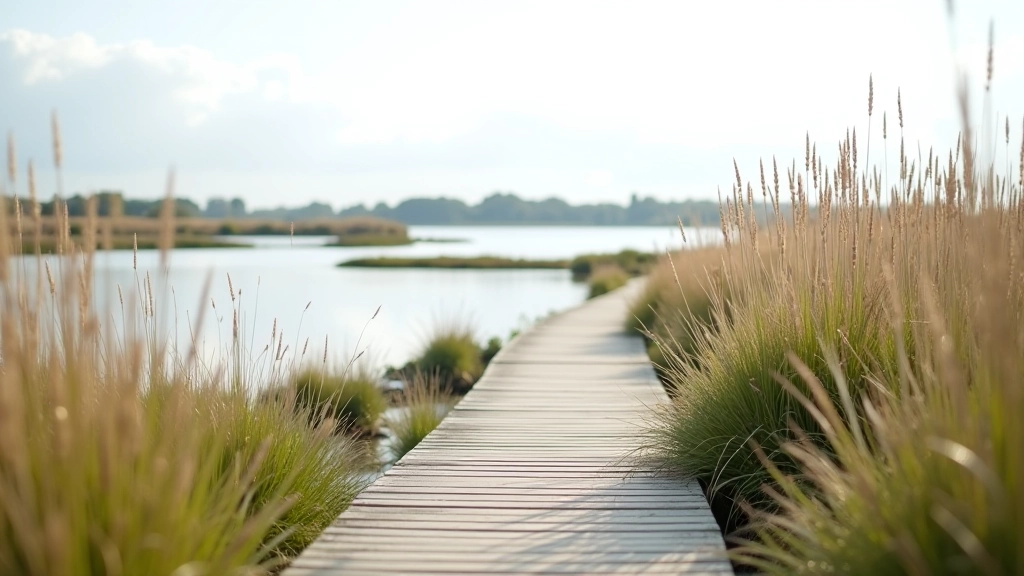
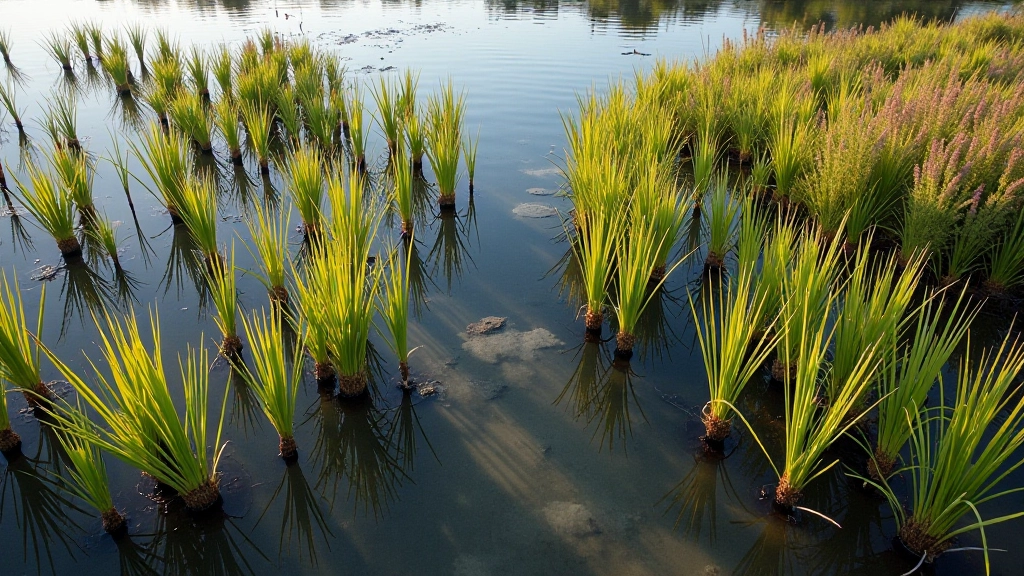
Salt marshes are probably the most important part of the estuary ecosystem, though most people don't realize it when they're walking past. These aren't just muddy areas with some plants — they're incredibly complex habitats. The vegetation here has adapted to survive twice-daily saltwater flooding, which is why you'll see plants like glasswort and cordgrass that you won't find anywhere else.
Here's what's remarkable: young fish, shrimp, and other creatures use salt marshes as nurseries. They're protected from bigger predators, there's plenty of food, and the shallow water is warm enough for growth. Without these marshes, fish populations in the broader bay would collapse. We've documented juvenile sea bass, flounder, and mullet spending their first months here before moving into deeper waters.
Tidal Zones and Their Creatures
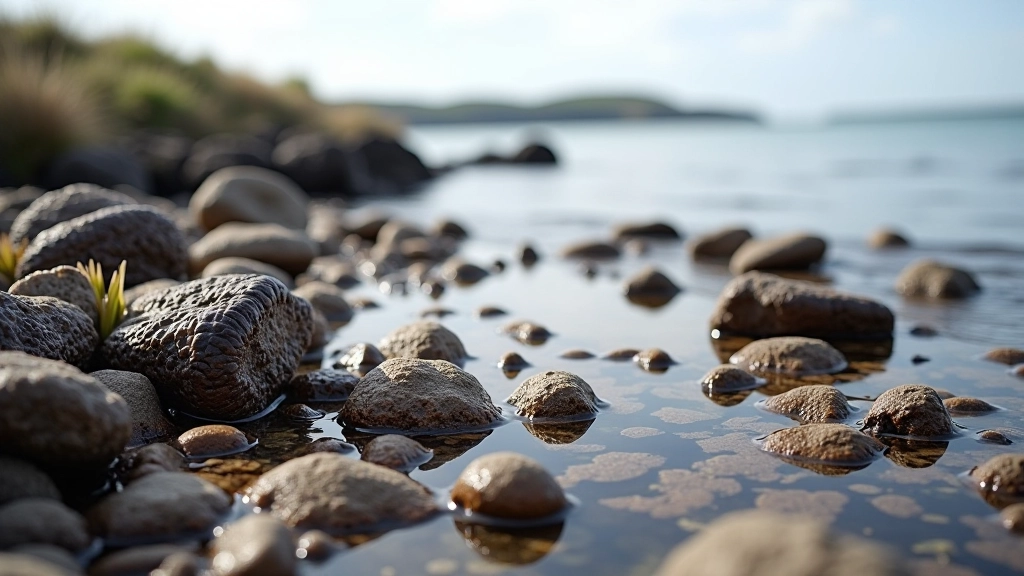
Bull Island's estuary has distinct tidal zones, each with its own community of plants and animals. The subtidal zone stays underwater permanently — you'll find kelp forests, mussels, and plenty of fish there. Moving up, the intertidal zone gets exposed twice daily when tides go out. This is where things get interesting because organisms here face constant stress from exposure, temperature changes, and salinity shifts.
The upper intertidal zone is probably where you'll spend most of your time if you're exploring at low tide. You'll see lugworms creating their characteristic casts in the mud, cockles buried in the sediment, and anemones waiting in shallow pools. These creatures aren't just surviving — they're thriving because they've evolved specific adaptations. A cockle shell can withstand drying out for hours. An anemone can survive without being submerged if conditions are right.
Why Birds Depend on This Place
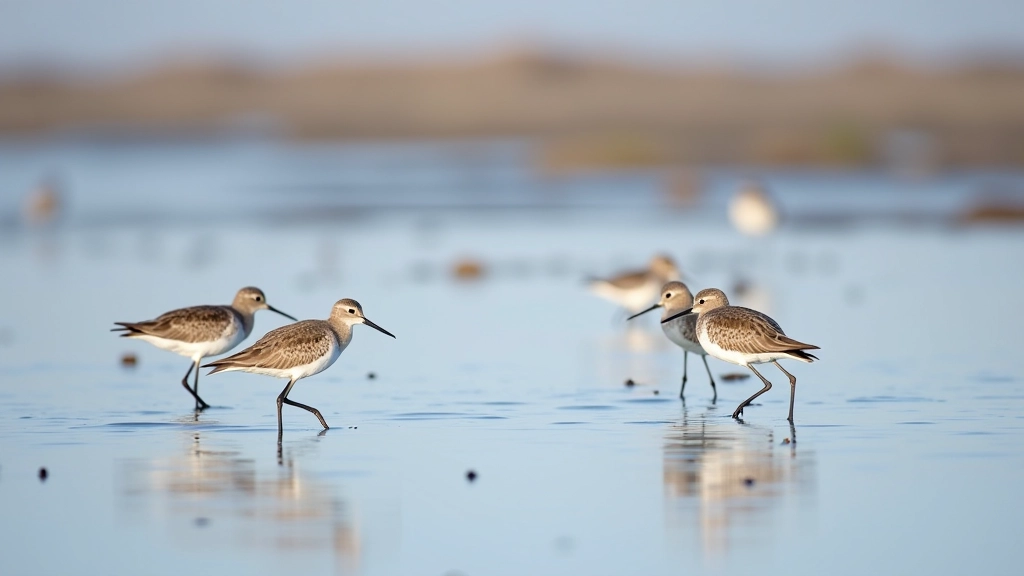
The estuary is absolutely critical for birds — especially wading birds like curlews, redshanks, and oystercatchers. When the tide goes out, exposed mudflats become a massive feeding ground. A single tide cycle can expose up to 300 hectares of mud packed with invertebrates. Birds arrive with incredible timing, feeding intensively for a few hours before the tide comes back in.
Bull Island supports over 3,500 wading birds during winter months. That's not a random number — it's what the estuary can actually sustain based on available food and habitat. We've tracked individual birds returning to the same feeding spots year after year. Some of these birds have migrated from Iceland or Siberia, and they're counting on this estuary being here, undisturbed and productive, to fuel their journey.
Seasonal Rhythms and What You'll See
The estuary isn't static — it changes dramatically through the year. Spring brings returning breeding birds and increased invertebrate activity as water warms. Summer is quieter, with fewer visiting birds but active nesting among terns and plovers. Autumn is when things really ramp up as migratory birds arrive from the north, fattening up before heading south.
Winter is peak season for observing wading birds. You'll see species that only arrive between October and April. The mudflats stay frozen in place for weeks, and the energy density of exposed invertebrates is highest then. If you're visiting during this period, you're witnessing one of Europe's most important wildlife spectacles. The whole ecosystem operates on these seasonal pulses — it's not random, it's finely tuned over millennia.
Why This Matters
Bull Island's estuary isn't just a pretty place to walk. It's a functioning ecosystem that supports thousands of species and provides services worth millions — water filtration, carbon storage, coastal protection. When you're standing at low tide watching birds feed or observing the intricate web of life in the mudflats, you're witnessing something genuinely irreplaceable.
Understanding what makes this place special is the first step toward protecting it. Whether you're a serious birder, a naturalist, or someone who just enjoys being outdoors, recognizing the ecological value of what's here changes how you experience it. You're not just walking past mud and water — you're moving through one of Ireland's most important wildlife habitats.
Disclaimer
This article provides educational information about estuary ecosystems and Bull Island's wildlife habitat. Information is based on ecological research and field observations. Wildlife behavior, bird populations, and seasonal patterns can vary. Always respect wildlife by maintaining distance and following local guidelines when visiting protected areas. Some areas may require permits or have restricted access — check with local authorities before visiting. This content is informational and should not replace professional ecological consultation or expert guidance for research or conservation projects.