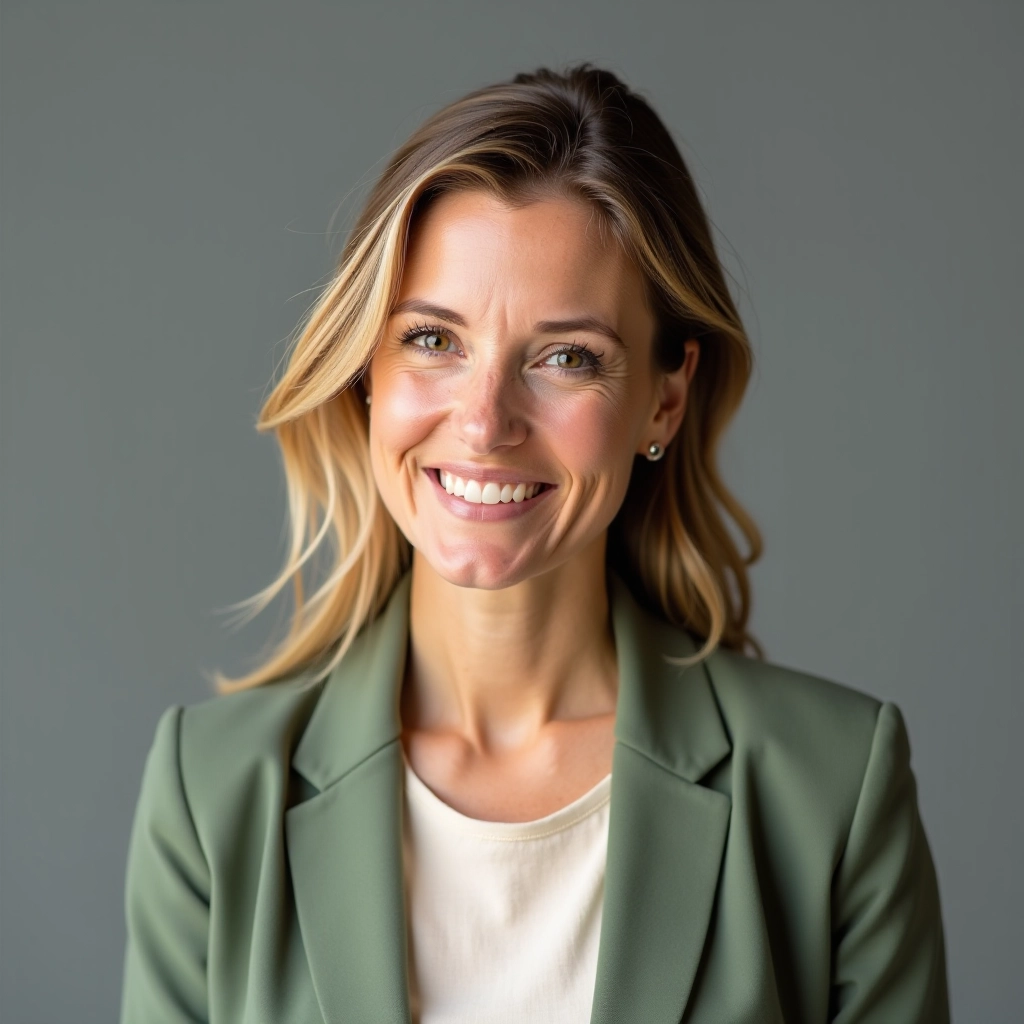
It all began at Bull Island during my first year at UCD. I was
volunteering with the Irish Wildlife Trust, watching wading
birds move across the mudflats in patterns I didn't yet
understand. The work was methodical — recording species,
tracking numbers, documenting behaviours. But something clicked
during those early mornings on the causeway. I wasn't just
collecting data. I was witnessing a living system.
After graduating with my degree in Environmental Science in
2008, I spent three years with Birdwatch Ireland conducting
population surveys across Dublin Bay's estuarine habitats. We'd
track overwintering geese, monitor tern colonies, document rare
migrants. The work was rigorous and I loved it — but I kept
noticing the same thing: these spaces were largely invisible to
people outside our research circles. Seniors, families with
mobility challenges, school groups — they rarely got to
experience what we were studying.
That gap became my focus. I completed additional training in
universal design principles and began consulting on trail
accessibility projects. The North Dublin Bay wooden walkway, the
improved bird hides at key locations — these weren't compromises
on conservation. They were better design. When you force
yourself to think about how a 70-year-old with a walking frame
experiences a nature path, you actually design better
infrastructure for everyone. The 2019 research I completed on
low-impact bird hide design became the framework for several
causeway improvements we see today.
What drives me now is straightforward: age and mobility
shouldn't exclude people from experiencing Ireland's natural
heritage. Every project I work on balances ecological
sensitivity with practical accessibility. That's the real
challenge — and that's what makes the work worthwhile.