
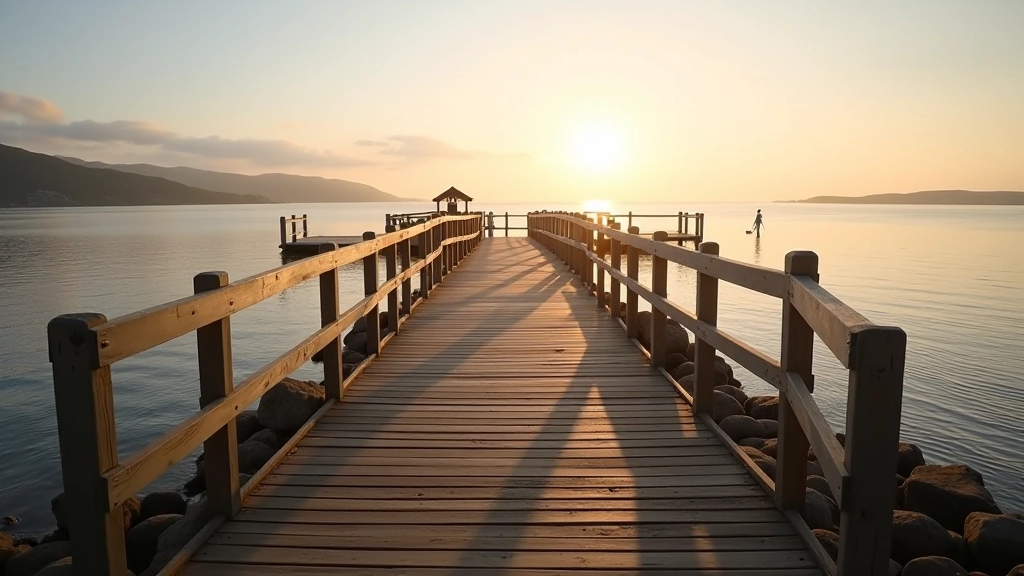
The Causeway Walk: A Complete Guide
Everything you need to know about Bull Island's iconic causeway — parking, access points, and what to see along the North Bull Wall.
Map all the wooden hides around Bull Island and North Dublin Bay. Learn what birds you'll spot in each season and the best times to visit.
Bull Island's got eight permanent bird hides scattered around the estuary. They're not fancy — just wooden structures with viewing windows — but they're incredibly practical. You'll see waders, ducks, and migrating birds without disturbing them. The key is knowing where to go and when.
We've mapped each hide, what species you're likely to spot, and the seasonal timing. Whether you're visiting in winter when the numbers are highest or spring when nesting begins, there's always something worth watching.
Permanent hides across the island
Bird species recorded annually
Viewing opportunities
Start here if you're new to the island. The East Hide sits right where the North Bull Wall meets the inner estuary. It's the easiest to reach — about 15 minutes walk from the car park — and it's positioned perfectly for watching waders feeding in the mudflats.
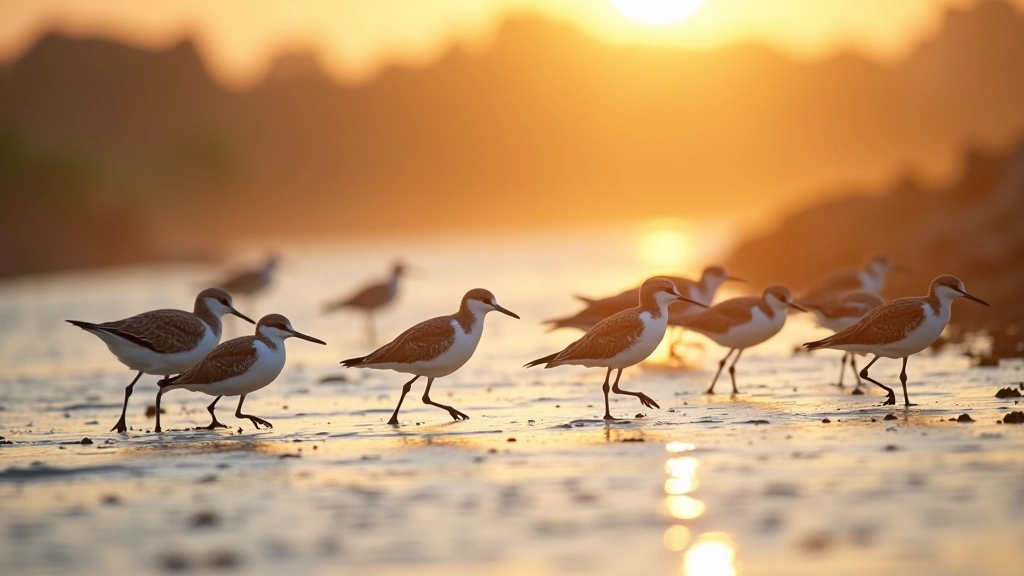
You'll regularly spot dunlin, curlew, and redshank here. In winter, numbers swell dramatically. We've counted over 2,000 waders in a single tide. Spring brings nesting activity — oystercatchers are particularly territorial. The hide itself is compact, so go early if you want a window seat.
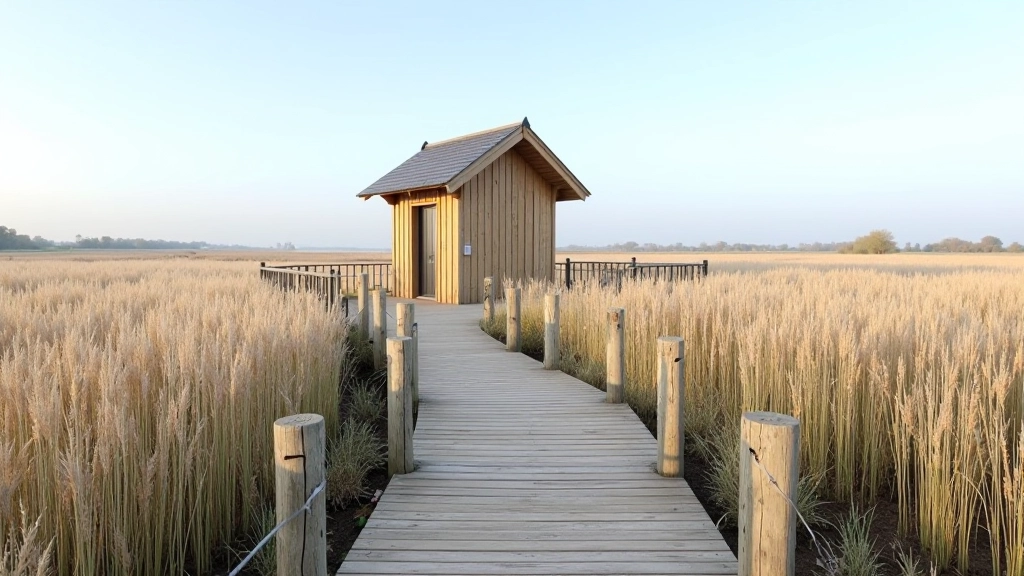
This hide overlooks the shallow lagoon where terns breed. You won't see much in winter, but from April through July it's spectacular. Arctic terns arrive in thousands. They're noisy, aggressive about defending nesting territory, and absolutely brilliant to watch in flight.
The lagoon attracts dabbling ducks too — teal, wigeon, shoveler. Don't expect to see them all at once. You'll notice different species dominate different times. Shovelers prefer early spring. Teal stick around longer. It's not random — it's tied to food availability and breeding schedules.
Fair warning: the walk here's about 25 minutes from the car park, and the hide can get crowded during peak season. It's worth it though.
Three hides cluster on the western side — the North, Mid, and South West hides. They're positioned to catch the biggest winter gatherings. When you visit in December or January, you'll see massive rafts of diving ducks: pochard, tufted duck, goldeneye. Hundreds of them.
These hides aren't as accessible as the East Hide. You're looking at 30-40 minute walks, and the paths can be muddy. But that's partly why they're less crowded. You get better viewing conditions and more patience from the birds themselves.
Bring binoculars with good magnification here — the distances are greater. You'll spot grebes, great crested and red-necked varieties, diving deeper than you'd expect. The water clarity varies with tide, so plan around that.
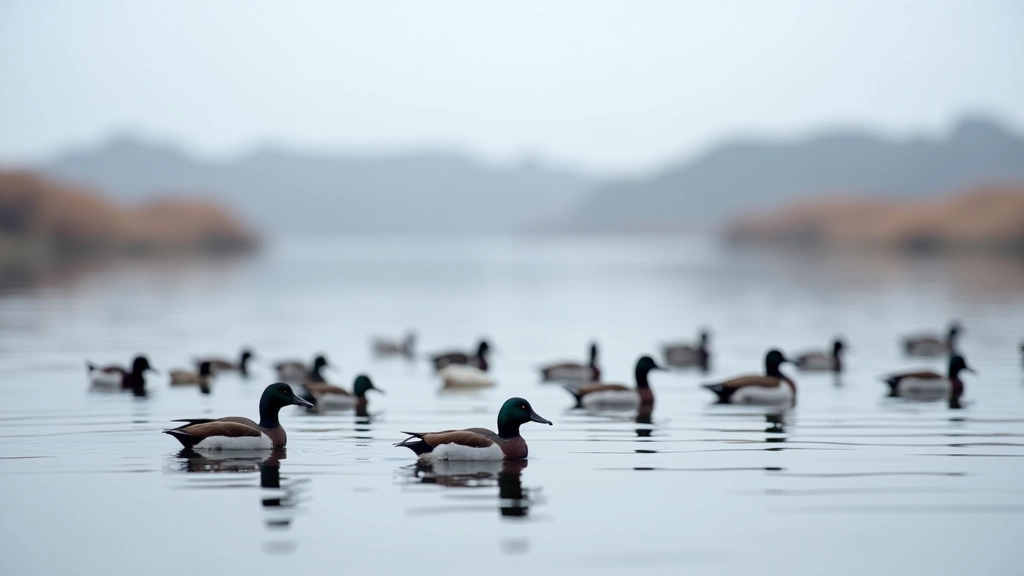
Knowing what to expect makes the difference between a frustrating visit and a rewarding one. Here's what's reliably present each season.
Peak numbers. Thousands of waders, dabbling ducks, diving ducks. Look for wigeon, teal, pintail. Grebes are common. Occasional rarities show up — it's when most sightings happen.
Nesting begins. Oystercatchers territorial. Terns arrive and establish breeding colonies. Wader numbers drop as birds head north. You'll see different species replacing each other week to week.
Tern breeding at peak. Young birds fledging from July onward. Wader numbers lowest. But juvenile birds learning to feed make summer interesting — unpredictable behavior.
Migrating waders passing through. Greenshanks, spotted redshanks, curlew sandpipers. Numbers building as winter approaches. Terns departing. It's transitional.
Tide timing matters more than you'd think. Birds feed when mudflats are exposed, which is roughly 2 hours either side of low tide. At high tide, birds rest — you'll see them bunched together but inactive.
Binoculars are essential. You'll want at least 8x magnification. The birds aren't as close as they look from inside the hide — water and distance create optical illusions.
Wear neutral colors. Grays and greens blend better than bright clothing. Movement inside the hide startles birds. Slow, deliberate actions work better than sudden ones.
Download a bird ID guide before you go. You'll spot species you don't immediately recognize. The RSPB app's handy, or a printed pocket guide works too.
Don't overthink it. Pick the East Hide for your first visit — it's accessible and productive. Go at low tide in winter. Bring binoculars, patience, and a notebook. You'll see waders you've never noticed before, watch duck flocks perform coordinated maneuvers, and understand why this estuary matters for migrating birds across the Atlantic.
The hides aren't fancy. They're just wooden boxes with windows. But they're positioned by people who've watched this place for decades. Use them right, and you'll see wildlife most people drive past without noticing.
This article is informational. Bird behavior, migration patterns, and species presence vary with weather, tides, and seasonal changes. The information reflects typical patterns based on historical records, but wildlife observation involves unpredictability. Always check tide times before visiting, wear appropriate footwear for muddy paths, and respect breeding areas — never approach nesting birds. Local wildlife organizations and the RSPB provide updated species sightings if you want real-time information before your visit.
Everything you need to know about Bull Island's iconic causeway — parking, access points, and what to see along the North Bull Wall.

Which paths have paved surfaces, rest areas, and facilities. Parking near trailheads and accessibility features explained.
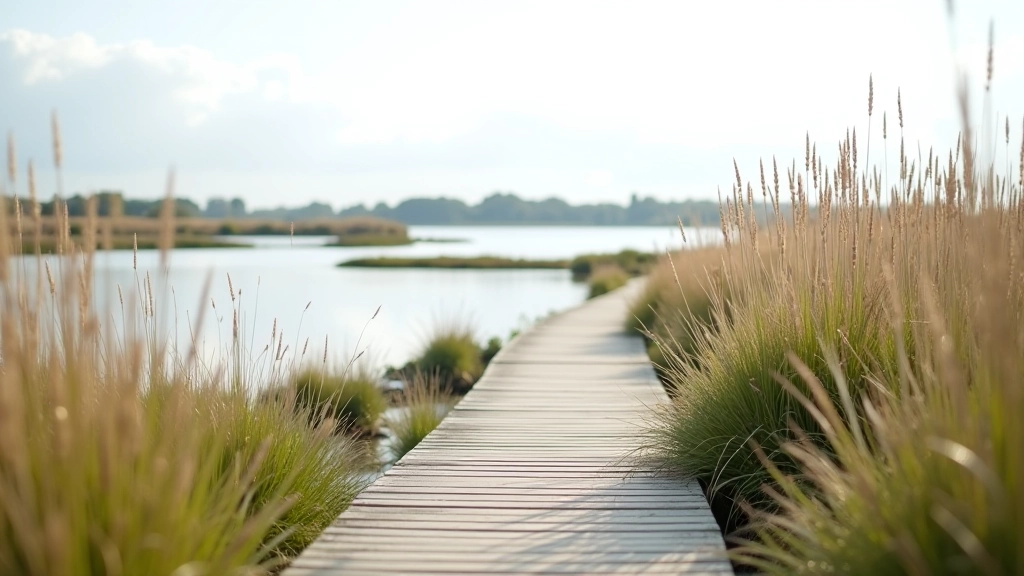
Why Bull Island's estuary matters for wildlife. Salt marshes, tidal zones, and the food chains that sustain birds.