
Explore Dublin Bay's Natural Waterways
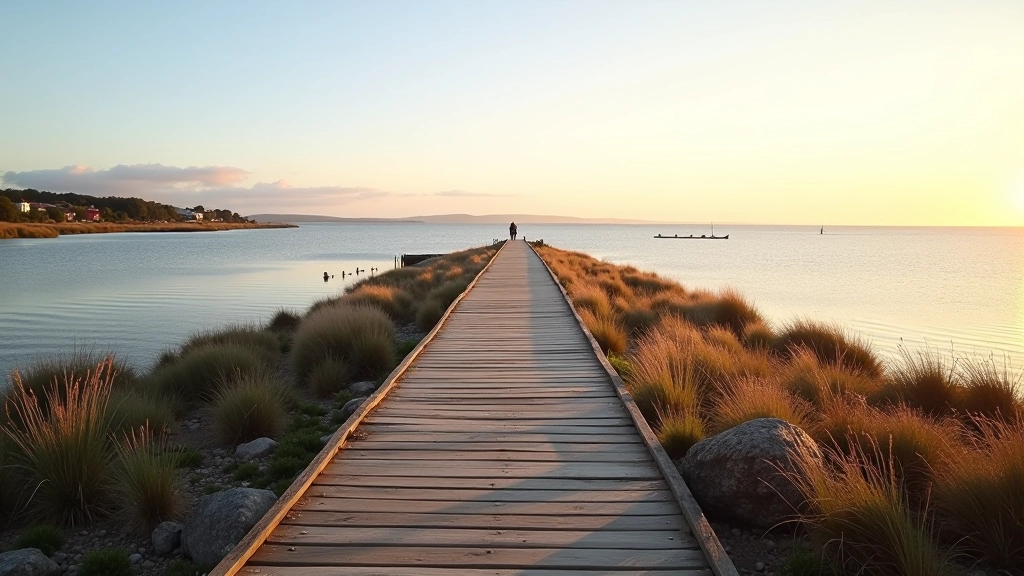
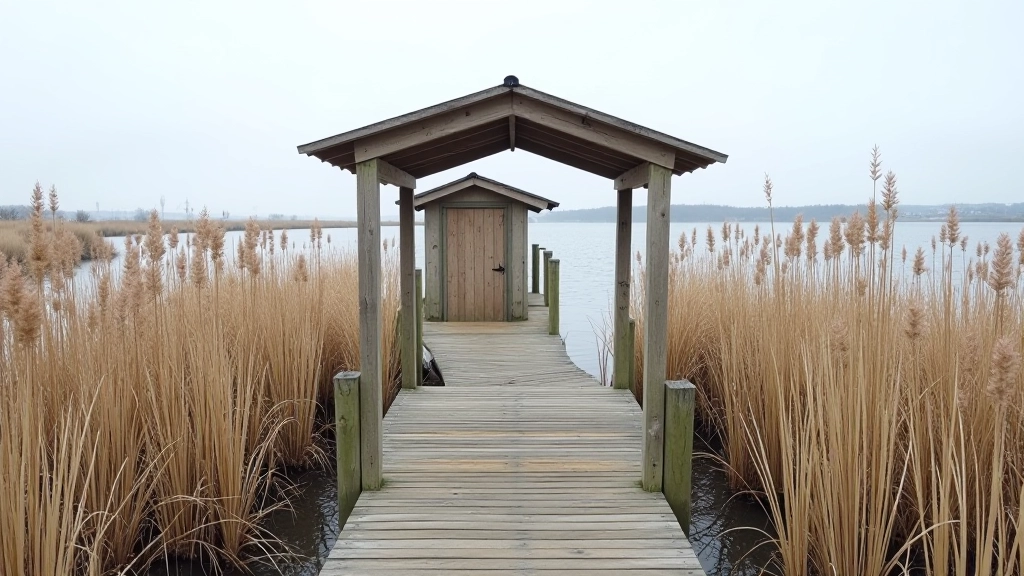
Walk the Bull Island causeway and discover bird hides along the river estuary. Perfect for seniors and nature lovers.
North Dublin Bay offers peaceful wooden pathways, accessible rest areas, and some of Ireland's finest birdwatching spots. Whether you're a keen ornithologist or just looking for a gentle stroll with great views, there's something here for everyone.
Why Visit Bull Island
Three reasons this destination stands out for nature lovers
Exceptional Birdwatching
Over 170 bird species recorded here. Winter visitors, nesting waders, and migrating flocks make every season interesting.
Protected Estuary Habitat
Designated Special Area of Conservation. The estuary supports rare plants, invertebrates, and fish species unique to Dublin Bay.
Senior-Friendly Design
Flat paved sections, multiple rest areas, accessible parking, and facilities throughout the causeway and main paths.
What Makes This Special
Four things visitors consistently mention
Real Restoration
This area's been transformed. Decades of habitat work mean you're walking through genuinely thriving wetlands, not just pretty scenery.
Active Community
Local birdwatchers, conservation volunteers, and park staff are often around. Friendly people who know the area and love sharing observations.
Easy to Navigate
Clear signage, marked paths, and simple parking arrangements. You're not fumbling with maps or worried about getting lost.
Year-Round Interest
Winter brings rare arctic geese. Spring has breeding activity. Summer's quieter but great for botanists. Autumn migration is spectacular.
Explore Our Guides
Everything you need to know about North Dublin Bay
River Estuary & Bird Hide Paths
View AllBy the Numbers
What the data tells us about Bull Island
What Visitors Say
Real feedback from people who've walked these paths
"Honestly wasn't sure what to expect, but the causeway walk blew us away. My wife's mobility isn't great but the path is so flat and there's benches everywhere. We saw loads of birds — waders mostly — and didn't feel rushed. Best afternoon we've had in ages."
"I'm not a serious birder but I love photography. The light here in winter is incredible. You get the golden hour reflecting off the water, and the birds aren't too skittish if you're patient. I've made the trip from the city center four times this month."
"The guides here are brilliant. We came as a family — three generations — and everyone found something interesting. My mum couldn't manage the longer routes but the accessible section near the car park was perfect for her. She's already planning to go back."
Planning Your Visit
What to expect with proper preparation
Without Planning Ahead
- Arrive unprepared for weather
- Miss the best viewing times
- No binoculars or field guide
- Uncertain about rest areas
- Don't know seasonal highlights
With Our Guides
- Know what to wear each season
- Plan around peak activity hours
- Get species identification tips
- Find accessible facilities easily
- Understand what you're seeing
Common Questions
Answers to help you prepare
How accessible is the causeway for wheelchair users?
The main causeway is fully accessible with smooth paved surface and no steep gradients. There's accessible parking at the start and facilities at the midpoint. Some side trails are rougher, but the main 4km route is designed for wheelchair and mobility aid access.
What's the best time of year to visit?
Every season's different. Autumn (September-October) brings massive migration waves. Winter (December-February) features arctic geese and rare visitors. Spring has breeding activity. Summer's quieter but excellent for wildflowers and insects. Pick based on your interests.
Do I need binoculars to enjoy the walk?
Not essential. You'll see plenty without them — ducks, geese, waders are visible to the naked eye. But binoculars really enhance the experience, letting you see details and identify species. Rental equipment is sometimes available locally.
How long does the causeway walk take?
The 4km round trip typically takes 60-90 minutes at a relaxed pace. You'll want extra time for viewing and photography. There's no time pressure — take breaks whenever you like. Many people split it into two shorter walks with a rest in between.
Is there parking and facilities nearby?
Yes. Free parking at the causeway entrance with accessible spaces. Facilities include restrooms, drinking water, and covered seating areas. The nearby visitor center (seasonal) has more amenities and sometimes offers guided walks.
Can I bring dogs or bikes?
Dogs on leads are allowed on the causeway and most paths. Bikes are restricted on some sections to protect nesting birds during spring and summer — check current guidelines. The wider paths generally permit bikes outside nesting season.
Featured Guides
Detailed resources for your visit
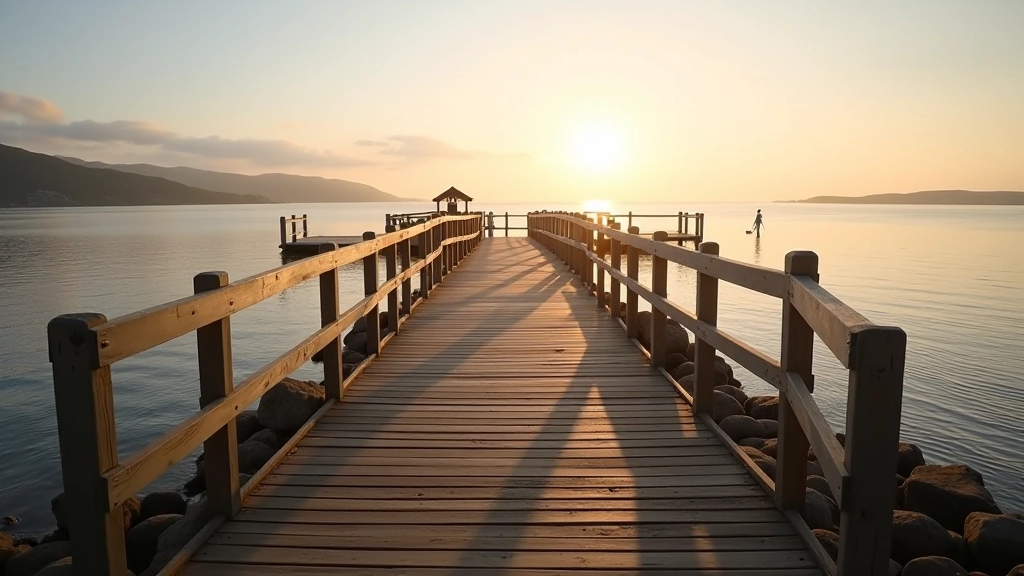
The Causeway Walk: A Complete Guide
Everything you need to know about Bull Island's iconic causeway — parking, accessibility features, best viewing spots for birds, and what to bring.
Read Full Guide →
Bird Hide Locations & What You'll See
Map of all bird hides around Bull Island and North Dublin Bay. Seasonal species, nesting times, and tips for spotting waders, ducks, and migrating birds.
Explore Hides →
Accessible Routes for Seniors & Mobility Considerations
Which paths have paved surfaces, rest areas, and facilities. Parking near trailheads, accessible restrooms, and how to plan a comfortable outing.
Accessibility Info →