
Questions About Our Walks
Everything you need to know about exploring Bull Island, the estuary, and our bird hides
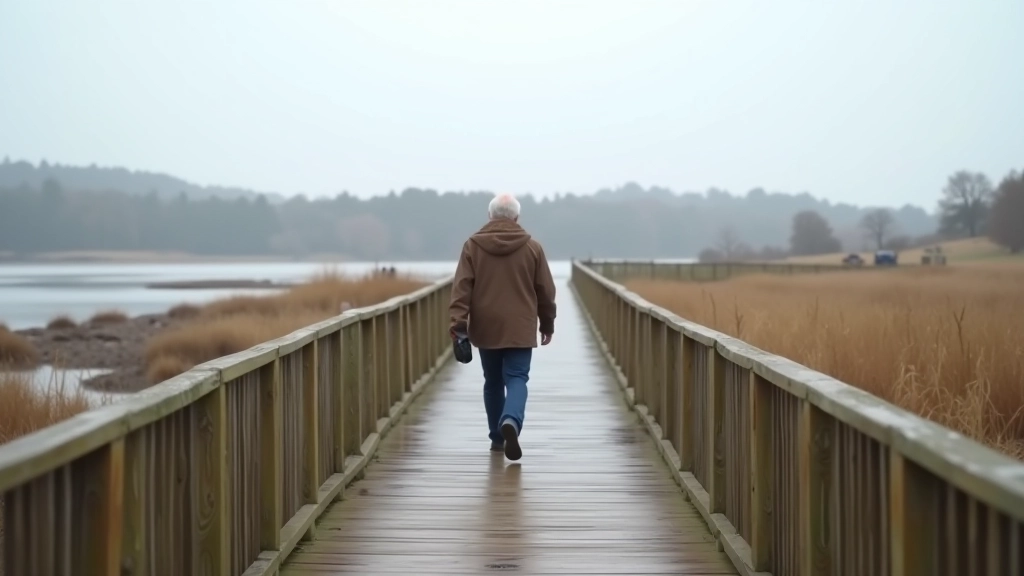
Both the causeway and wooden walkways are designed with accessibility in mind. The causeway features a flat, even surface suitable for walkers and wheelchairs, while the North Dublin Bay wooden walkway has handrails and rest benches positioned every 150-200 metres. We always recommend checking current conditions before your visit, as weather and tides can affect accessibility.
Winter months (November to February) are peak season for birdwatching, with thousands of migratory birds arriving to the estuary. Spring brings breeding birds and nesting activity, while summer is quieter but offers excellent views of waders and terns. Autumn migration is also spectacular, especially in September and October.
Our guided walks range from 90 minutes to 2.5 hours depending on the route and pace. We offer slower-paced options (around 90 minutes) specifically designed for seniors and those with mobility considerations. The causeway walk is generally our most accessible option.
You're welcome to bring your own binoculars, but they're not essential—many birds are visible to the naked eye from the hides. Wear comfortable walking shoes with good grip (especially important on the wooden walkway) and dress for the weather, as Dublin Bay conditions can change quickly.
Facilities are available at the Bull Island car park and visitor area. We recommend bringing water and snacks for longer walks. The wooden walkway itself doesn't have facilities, but it's only a short walk from the car park. Rest benches are positioned throughout for breaks.
We operate in most weather conditions—Dublin Bay is beautiful even when it's cloudy or drizzly. However, if conditions become unsafe (high winds, flooding, or extreme weather), we'll contact you to reschedule at no extra cost. Check our latest conditions before arriving.

Ready to explore?
Get in touch to book a walk or ask us anything else about Bull Island and Dublin Bay.
Contact usView accessibility information or explore bird hide locations